







The operating environment of vacuum meat tumblers
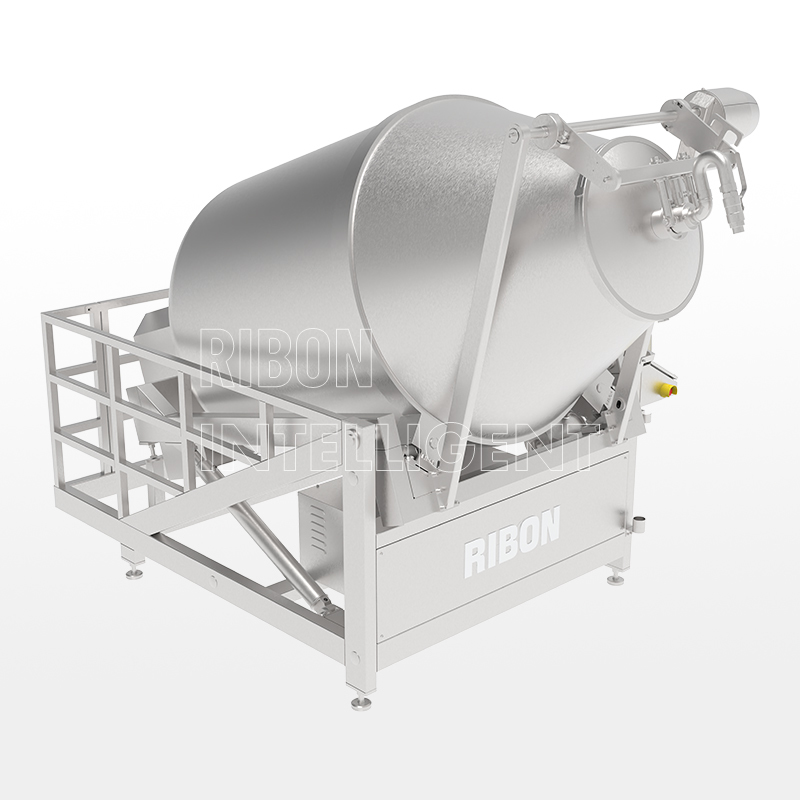
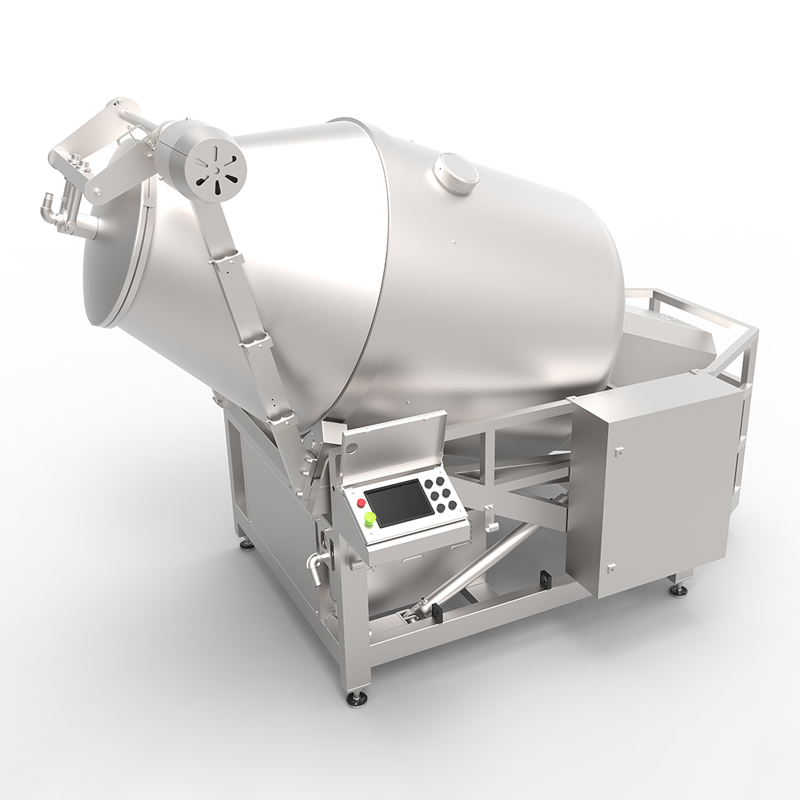
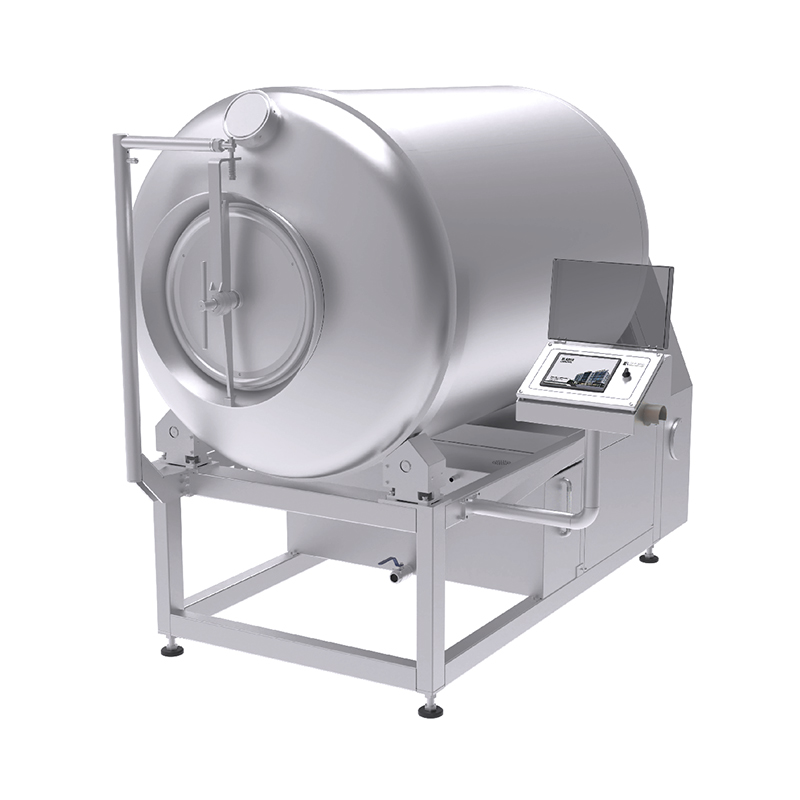
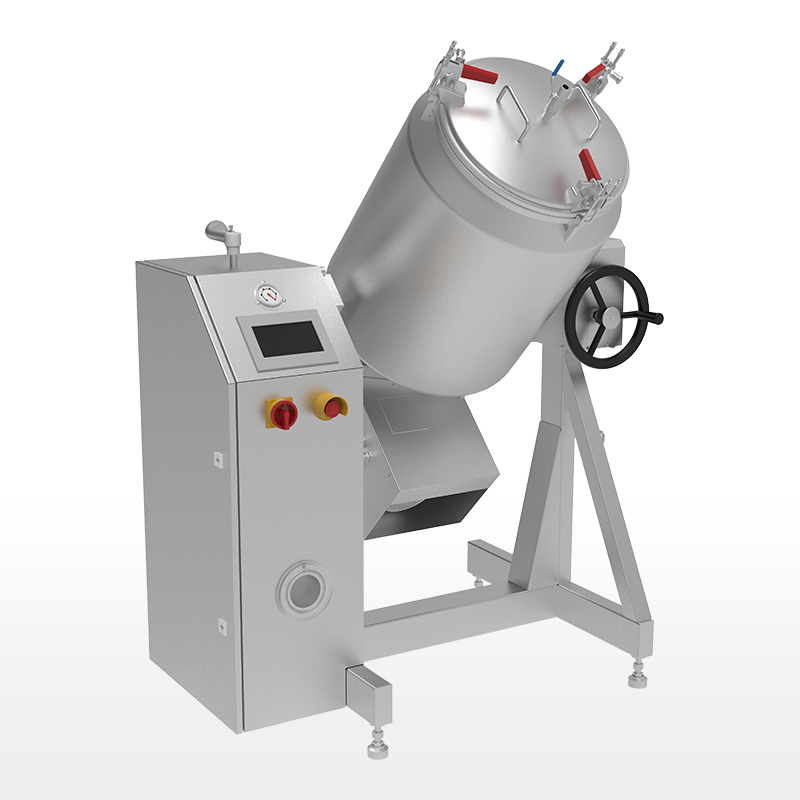
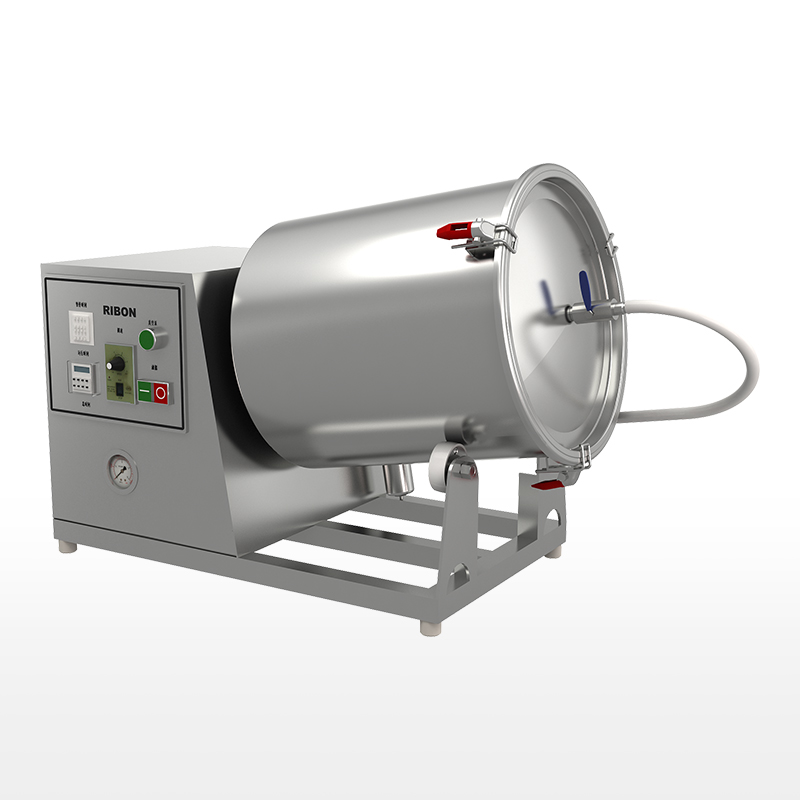
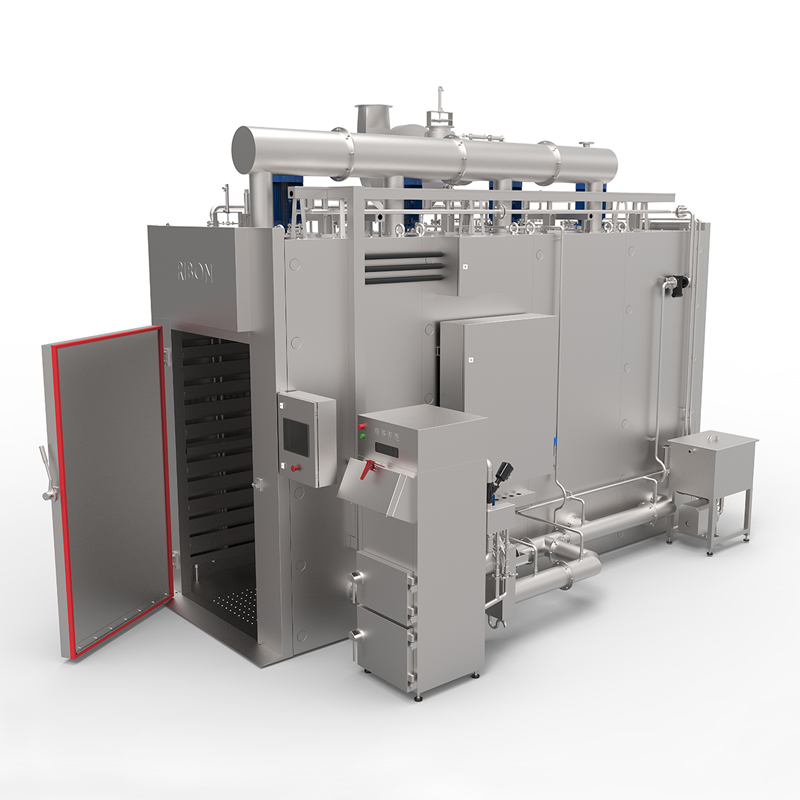
Vacuum-Sealed Chamber: Vacuum meat tumblers operate within a sealed chamber that can withstand vacuum conditions. This chamber is typically made of stainless steel or other food-grade materials to ensure hygiene and durability.
Vacuum Pump System: A vacuum pump is integral to the operation of vacuum meat tumblers. It creates and maintains the vacuum environment within the chamber by removing air and lowering the pressure.
Hermetic Sealing: The chamber of vacuum tumblers is hermetically sealed to prevent air from entering during operation. This ensures that the desired vacuum level is maintained consistently throughout the tumbling process, facilitating uniform marination or tenderization of the meat.
Safety Features: Due to the potentially hazardous nature of working with vacuum environments, vacuum meat tumblers are equipped with safety features to protect operators and prevent accidents. These may include automatic shut-off mechanisms, pressure relief valves, and emergency stop buttons to ensure safe operation at all times.
Air Removal System: Within the vacuum meat tumbler, there's a sophisticated air removal system that efficiently evacuates air from the chamber. This system ensures that the vacuum level is consistently maintained at the desired level throughout the processing cycle, promoting optimal marination or tenderization of the meat.
Sealing Mechanisms: Vacuum meat tumblers are equipped with robust sealing mechanisms to ensure a tight seal between the chamber lid and the body. These seals prevent air from leaking into the chamber during operation, thereby maintaining the vacuum environment and preserving the effectiveness of the marination or tenderization process.
Temperature Control: Some vacuum meat tumblers feature temperature control systems that allow operators to regulate the temperature within the chamber. Controlling the temperature can be crucial for certain marination processes, as it can affect the rate of flavor absorption and enzymatic activity, ultimately influencing the quality of the final product.
Sanitary Design: The design of Vacuum Meat Tumbling Machine prioritizes sanitation and hygiene to meet stringent food safety standards. Components are constructed from materials that are resistant to corrosion and easy to clean, minimizing the risk of contamination and facilitating thorough sanitation between processing cycles.
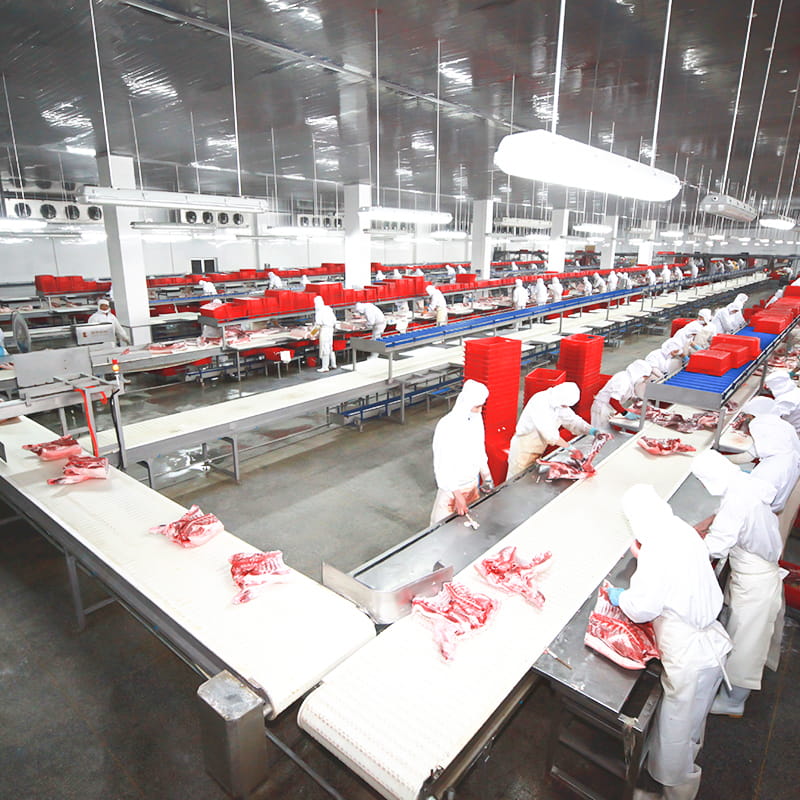
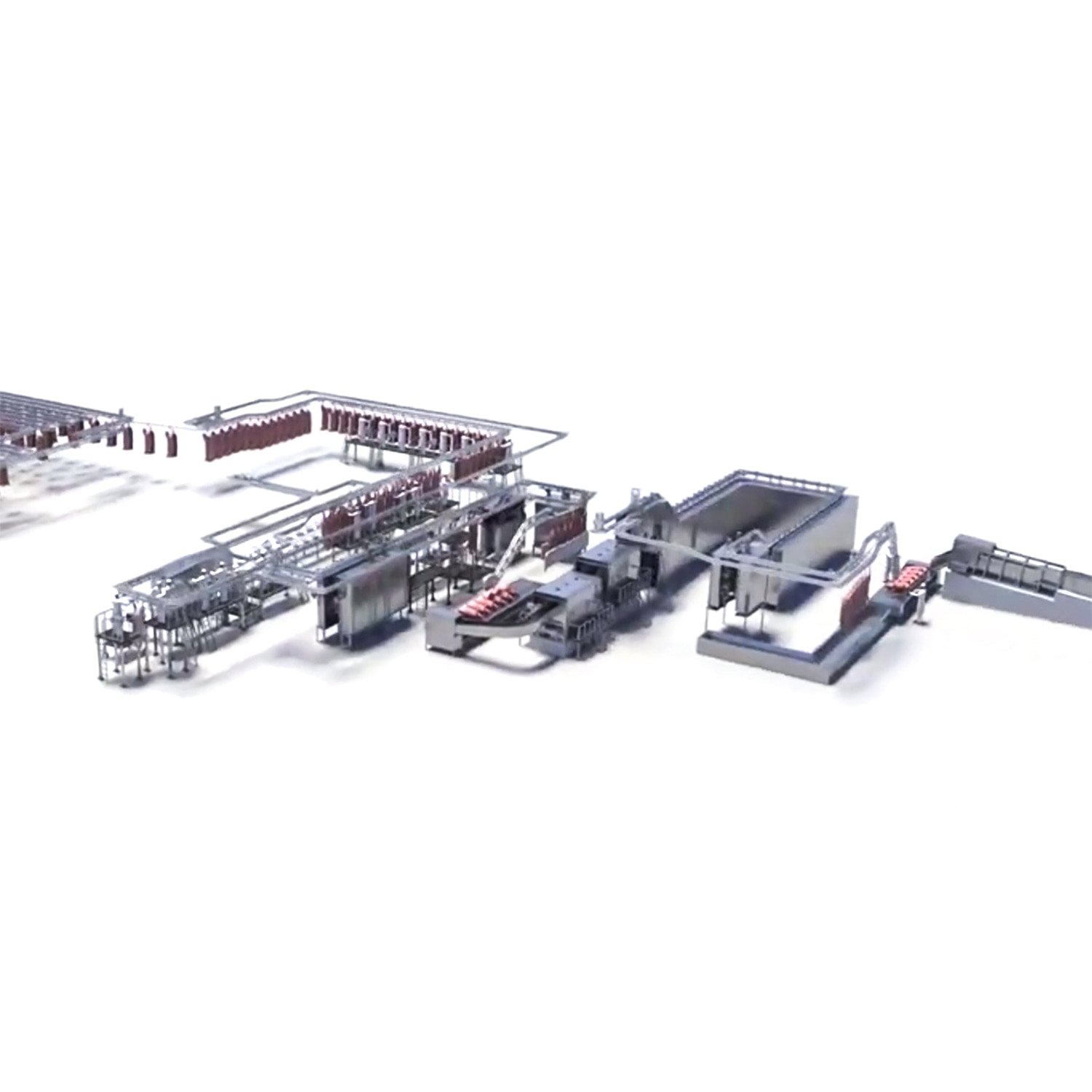
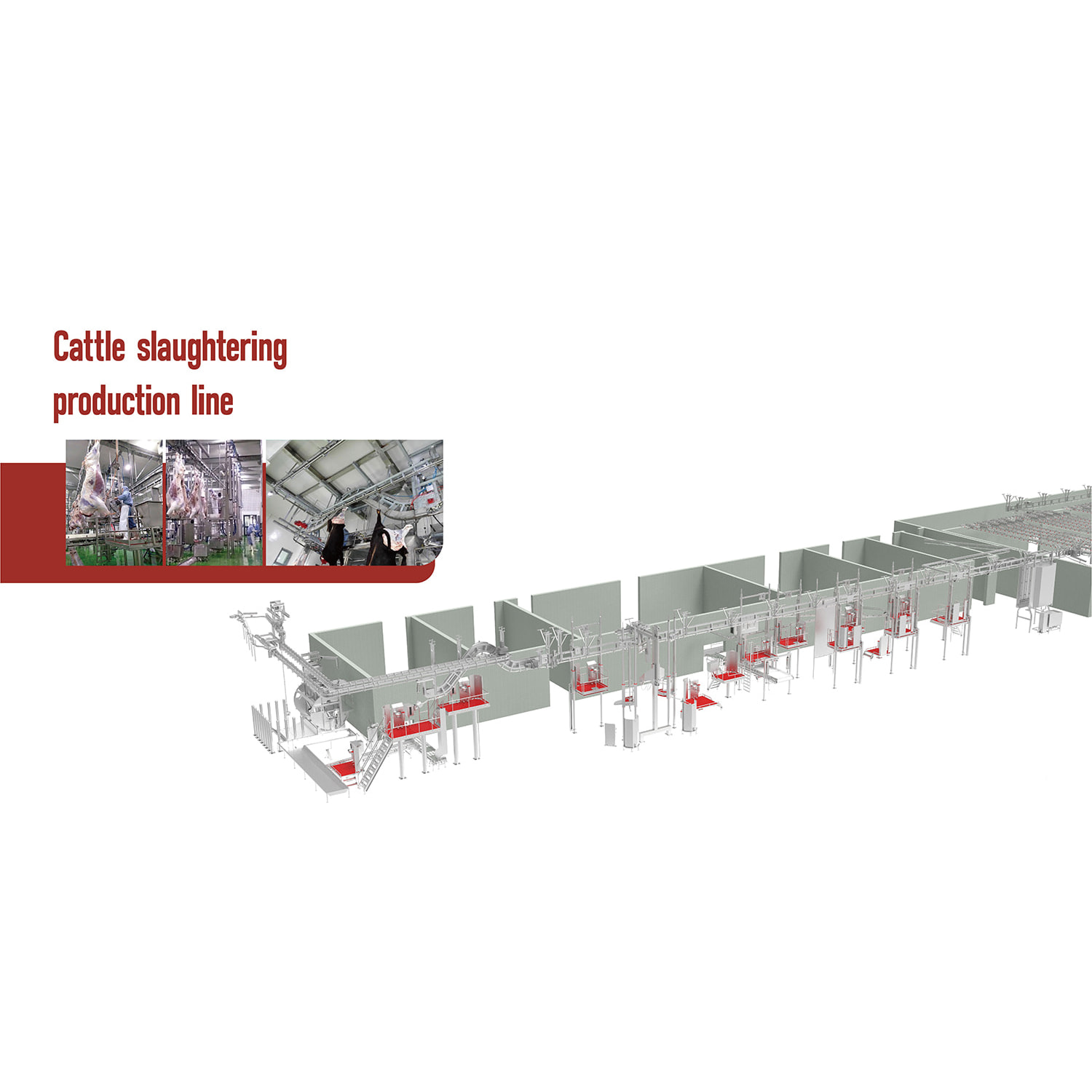
Integration with Processing Lines: Vacuum meat tumblers are often integrated into larger meat processing lines, allowing for seamless automation and coordination with other equipment. This integration streamlines the production process, enhances efficiency, and ensures a continuous flow of products from preparation to packaging.
How a vacuum meat massager promotes increased penetration
Enhanced Marinade Absorption: The Vacuum Meat Massager creates an environment where the meat's surface is more receptive to absorbing marinades, brines, or seasonings. By applying vacuum pressure, the air within the meat's pores is removed, causing the meat fibers to expand slightly. This expansion creates micro-channels and gaps within the meat structure, which act as pathways for the marinade to penetrate more deeply.
Pore Opening: Vacuum pressure applied during the massaging process helps to open up the pores on the surface of the meat. These pores, which are typically closed in their natural state, become more receptive to absorbing liquid marinades or brines. As a result, the marinade can infiltrate the meat more effectively, reaching deeper layers and infusing flavor throughout.
Increased Surface Area: The tumbling or massaging action of the Vacuum Meat Massager further enhances marinade penetration by increasing the surface area of the meat exposed to the marinade. As the meat is moved and rotated within the massager, more of its surface comes into contact with the marinade, allowing for greater absorption and distribution of flavor compounds.
Uniformity of Penetration: Unlike traditional marinating methods, where the penetration of marinade can be uneven or inconsistent, the Vacuum Meat Massager ensures a more uniform distribution of flavor throughout the meat. The combination of vacuum pressure and mechanical action helps to push the marinade into all areas of the meat, including hard-to-reach spots, resulting in consistent flavor and quality across the entire product.
Reduced Marination Time: The increased penetration facilitated by the Meat Massager can significantly reduce the time required for marination compared to traditional methods. By accelerating the absorption of marinade into the meat, the massager allows for shorter marination times without compromising flavor or tenderness, making it a valuable tool for improving production efficiency in meat processing facilities.